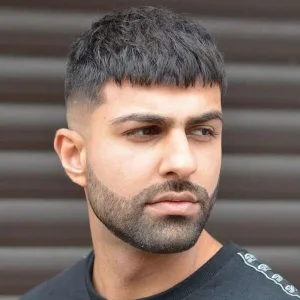
26 Best Quiff Haircuts for Men in 2026: The Complete Style Guide
The quiff is one of the most versatile men’s haircuts around, and it’s not going anywhere in 2026. At its simplest, it’s just hair on top that’s grown out a little longer than the sides and swept up and back off the forehead — but that simple idea supports dozens of distinct looks, from a five-minute finger-styled version you can wear to the gym to a glossy, sculpted rockabilly throwback.
This guide covers everything: what actually makes a haircut a “quiff” instead of a pompadour or a fringe, the cutting and styling technique behind it, which products to use and why, and 26 real quiff variations you can take straight to your barber.
What Is a Quiff Haircut?
A quiff is defined by one specific shape: the hair at the front of the head is left longer than the rest of the top — typically somewhere between 3 and 5 inches — and is styled up and back so it rolls or curls slightly forward over the hairline, rather than standing straight up or lying flat. The length tapers down as it moves back toward the crown, which is what gives a quiff its forward-leaning silhouette instead of a flat, uniform top.
The sides don’t have to be short for a cut to qualify as a quiff — you’ll see quiffs paired with a skin fade, a soft taper, an undercut, or even hair left long and only lightly trimmed — but shorter sides do make the height and shape of the top read more clearly, which is why most modern quiffs are cut with at least some fade or taper.
The style traces back to mid-20th-century American and British youth culture, where it was closely tied to rockabilly and mod scenes, and it has resurfaced repeatedly since — most recently in the 2010s and 2020s as a go-to look for footballers, musicians, and actors who wanted volume and shape without the full commitment of a pompadour.
Quiff vs. Pompadour: What’s the Difference?
People mix these two up constantly, and the confusion is fair — both start from the same basic move of lifting hair off the forehead. The real difference is in the length, the shape of the roll, and how much of the top is actually involved.
A pompadour uses more hair and more height. The top is grown longer overall (often 6 inches or more), and the hair is swept straight back and up into a tall, structured “wall” that runs from the hairline all the way back over the crown. It typically needs a heavier, glossier product and more precise daily styling to hold that structure.
A quiff uses less length and concentrates the volume closer to the hairline. Instead of a full vertical wall, the front section rolls up and slightly forward, then tapers down fairly quickly toward the crown rather than carrying the same height all the way back. That makes a quiff faster to style day-to-day, easier to wear with a more textured or undone finish, and generally a better fit for guys who want volume without a strict daily styling routine.
In short: if the height runs the full length of the top and looks like a tall, swept-back wall, that’s a pompadour. If the volume is concentrated at the front in a shorter roll that tapers off toward the back, that’s a quiff.
How to Style a Quiff: Cutting, Product, and Technique
Getting a good quiff comes down to three things: the right cut, the right product for your hair type, and a consistent blow-dry and comb technique. Here’s how each piece works.
Start With the Right Cut
Tell your barber specifically that you want a quiff, not a pompadour — the length reference matters. Ask for the top left at roughly 3 to 5 inches at the front, tapering down toward the crown, with the sides cut shorter using a taper, fade, or undercut depending on the look you want (see the variations below). If you ask only for “some length on top,” you may end up with a pompadour-length cut that’s harder to manage.
Choose the Right Product
Product choice changes the finish more than almost anything else. A matte clay or fiber paste gives a textured, separated look with no shine — best for the messy, textured, or disconnected variations. A water-based pomade gives a classic, medium-shine finish that washes out easily. An oil-based pomade gives the strongest hold and the highest shine, which is what you want for a slicked-back or rockabilly-style quiff. A volumizing mousse or root-lift spray, applied before blow-drying, adds lift at the roots for taller, more voluminous versions.
Blow-Dry and Comb Technique
Towel-dry hair until it’s damp, not wet, and work your chosen product evenly from roots to ends. Using a round or paddle brush, lift the front section up and slightly forward while blow-drying on medium heat, directing the airflow from underneath to build height at the root. A short blast of cool air once the shape is set helps lock it in place. Finish by combing or finger-styling the front into its final position.
Maintenance and Trim Frequency
Plan on a trim every 4 to 6 weeks to keep the shape and length consistent. If your sides are faded or undercut, they’ll grow out faster than the top and typically need a refresh every 2 to 3 weeks to keep the contrast sharp. Wash with a moisturizing shampoo 2 to 3 times a week rather than daily, since over-washing strips out natural oils and makes product harder to work with, and use a clarifying shampoo once a month to clear built-up product residue.
26 Quiff Haircut Variations to Try in 2026
From barely-there everyday versions to full rockabilly throwbacks, these 26 quiff variations cover the full range of what this haircut can do. Bring a photo of the number you like to your next barber appointment.
1. The Classic Quiff
The classic quiff keeps things simple: a moderate 3 to 4 inches of length on top, swept up and back into a soft, rounded roll just above the forehead, with natural taper (not necessarily a fade) at the sides. There’s no aggressive teasing or height-building here — the goal is a relaxed, “put-together but not overworked” look.
It’s the most versatile entry on this list and works well with straight to slightly wavy hair on oval, square, or oblong faces. A light-hold paste and a five-minute round-brush blow-dry is usually all it takes to maintain it.
2. The Textured Quiff
Rather than one smooth, swept-back section, the textured quiff is styled so individual strands separate and stand apart from each other. Barbers create this with point-cutting or texturizing shears through the top, then it’s finished by working a matte clay or fiber paste through damp hair with the fingers instead of a brush.
This version suits thick or coarse hair especially well, since that hair type holds separation naturally. Avoid high-shine pomades here — they tend to flatten the piece-y look that defines this style.
3. The Slicked-Back Quiff
This is the glossy, formal end of the quiff spectrum. Hair is combed straight back and up while damp using a fine-tooth comb, with a water- or oil-based pomade providing both hold and a visible shine. Every strand stays in place rather than separating.
It reads as more vintage and more dressed-up than a standard slick back, thanks to the extra roll of volume at the front. It suits hair with natural shine and medium-to-thick density best — very fine hair can look flat once fully slicked down.
4. The Messy Quiff
The messy quiff is the low-effort, everyday version — pushed up and slightly forward with the fingers rather than carefully brushed into place. A sea-salt spray or a light matte paste is enough to hold the shape without looking overly styled.
It’s the quickest of all the variations to maintain day to day, since small imperfections in the shape are part of the intended look rather than something to fix.
5. The Voluminous Quiff
This is the tallest, boldest version of the style. It requires longer top length (4 inches or more), a volumizing mousse or root-lift spray applied before blow-drying, and a firm-hold paste or cream to finish, since the added height has to be held in place all day.
It works best on thick or medium-density hair — fine hair can struggle to hold this much lift without heavier product, which can weigh it down instead of building it up.
6. The Short Quiff
A shorter, subtler take that keeps the top at just 1.5 to 2.5 inches with only a small lift at the front rather than a dramatic roll. It’s faster to style, holds up well through a full workday, and suits fine hair better than the taller variations.
It’s a good entry point for anyone trying a quiff for the first time, since it requires less product and less daily maintenance than most of the other versions on this list.
7. The Long Quiff
Here the top is grown out to 5 inches or longer, so the style reads more like a long, swept-back fringe than a compact roll. It can be worn loose and falling forward or swept fully back and up, depending on the day.
It needs a stronger-hold cream or wax, and often a paddle brush and diffuser to manage the extra length. It’s higher maintenance than shorter versions but rewards wavy or thick hair with real volume and movement.
8. The Disconnected Quiff
The disconnected quiff pairs long top hair with very short sides (often clipper guard #1 or #2, or even skin) and, critically, no blended transition between the two lengths. The barber cuts the top and the sides as two separate zones, creating a hard, deliberate break instead of a gradient.
The result is a bold, high-contrast look. It reads as more modern and edgy than a tapered or faded quiff, even though the short sides themselves are genuinely low-maintenance. See our disconnected undercut guide for more on this cutting technique.
9. The Undercut Quiff
Similar to the disconnected quiff but with a touch more blending near the bottom edge of the sides, so the transition isn’t quite as abrupt. The sides stay short and clean, while the top retains its full quiff length and roll.
It’s a middle-ground option for guys who want the visual contrast of an undercut without the fully hard-edged look of a disconnected cut.
10. The Skin Fade Quiff
The sides are shaved down to bare skin at the bottom and faded upward through progressively longer clipper guards until they blend into the long top. It’s the sharpest, most defined fade option on this list, and it’s what most people picture when they hear “modern quiff.”
Because the fade line needs to stay crisp to look good, this version needs more frequent barber visits — generally every 2 to 3 weeks — than a soft taper. Browse more fade haircut styles for reference photos to bring to your barber.
11. The Taper Fade Quiff
A softer alternative to the skin fade: hair gradually shortens down the sides without ever reaching bare skin. It’s a more conservative, workplace-friendly way to pair short sides with quiff volume on top.
It also grows out more gracefully than a skin fade, so you can typically stretch appointments a little longer between trims. See our full taper fade guide for more on how this cut is done.
12. The Burst Fade Quiff
Instead of fading straight around the head, the fade radiates outward around the ear in a semi-circular “burst” pattern. It’s a more technical clipper-over-comb cut, usually reserved for barbers comfortable with detailed fade work.
It’s often paired with a slightly longer, more textured top, since the burst pattern around the ear gives its own visual interest that a very short, tightly styled top would compete with rather than complement.
13. The Side Part Quiff
A defined part — combed in with a comb and a bit of product before the rest of the top is swept up and back — anchors the volume on one side and gives the whole style a cleaner, more structured look than a quiff without a part.
It pairs particularly well with a taper or skin fade underneath for a polished, business-appropriate finish that still has real height and movement on top.
14. The Hard Part Quiff
Instead of a combed part, a barber shaves or razors a thin line directly into the hair, creating a crisp, graphic division rather than a soft one. It’s a striking detail that photographs well and adds a sharper edge to an otherwise classic shape.
Because hair regrowth fills the line in within days, this version needs regular barber touch-ups — usually every 1 to 2 weeks — to keep the line looking clean.
15. The Comb-Over Quiff
Here the top is combed predominantly to one side rather than straight back, and the extra length allows a soft fringe to drape diagonally across the forehead. It’s essentially a hybrid between a comb-over and a quiff’s upward volume at the crown.
It’s a good option for guys who want the shape and lift of a quiff but prefer a side-swept fringe over a fully upright front section.
16. The Pompadour-Quiff Hybrid
The front section is built up with real height, closer to a pompadour, but instead of carrying that same volume in a full wall all the way back, it tapers down into a shorter, more textured finish toward the crown — essentially a quiff’s proportions with a pompadour’s front lift.
It’s a good middle option for guys who want more height than a standard quiff but aren’t ready for the daily styling commitment a full pompadour requires.
17. The Curly Quiff
Rather than fighting natural curl into straightness, this version works with it — curls are styled upward and back using a curl cream or lightweight curl-defining gel instead of a paste. The natural curl pattern provides much of the lift on its own, reducing the blow-drying effort needed.
A scrunch-and-diffuse technique (scrunching product through damp curls while diffusing on low heat) tends to work better here than a round brush, which can pull curls straighter than intended.
18. The Wavy Quiff
For hair with natural wave rather than tight curl, this version leaves the wave pattern visible instead of smoothing it out, adding texture and body without the extra effort of a full curly-hair routine.
A sea-salt or texture spray applied to damp hair enhances the natural movement before a light scrunch and air-dry or low-heat diffuse finishes the look.
19. The French Crop Quiff
This variation combines a blunt, straight-across fringe at the front with a very short, faded back and sides. The top itself is shorter than a typical quiff — usually around 2 inches — and the fringe is brushed forward and only slightly up rather than fully back.
It’s a lower-maintenance option than most quiffs on this list, since the shorter length needs less product and less precise daily styling to hold its shape.
20. The Business Quiff
Built for office environments: conservative height, a tight taper or low fade on the sides, and a neat side part, all finished with minimal product shine so it doesn’t look overly styled. It’s designed to hold up through a full workday with a quick morning routine.
Our business haircut guide covers this and several other workplace-friendly cuts in more detail.
21. The Rockabilly Quiff
This version traces directly back to the style’s 1950s American rock-and-roll roots: a tall, rounded front section built up with a heavier, oil-based pomade for a glossy, sculpted finish, often paired with slicked-back sides rather than a fade.
It’s frequently worn with sideburns to complete the vintage look, and it’s one of the more product-intensive variations here — expect to reapply pomade if it starts to lose its hold during the day.
22. The Punk Quiff
A more aggressive cousin of the rockabilly quiff: more exaggerated, often semi-spiked height at the front, usually paired with shaved or very short sides for maximum contrast. Matte or extra-strong-hold product is used to build sharper, more angular shapes rather than the rounded 1950s silhouette.
It’s a good option for guys who want the quiff’s core shape but a harder-edged, more modern finish.
23. The Quiff With Beard
Pairing a quiff with a full or medium beard helps balance the visual weight of the extra height on top, particularly for longer face shapes. Many barbers will line the sideburns directly into the beard so that any fade or taper on the sides flows continuously into a beard fade rather than stopping abruptly.
Check out our beard styles by face shape guide to find a beard length that complements this cut.
24. The Quiff for Thinning Hair and Receding Hairlines
A shorter overall length combined with a slightly forward-swept angle (rather than a hard vertical lift) can create the illusion of more density and help soften the appearance of a receding hairline at the temples. Ask your barber to leave the front a little longer than the crown so there’s more to work with where it’s needed most.
A volumizing powder or root-lift spray adds texture at the scalp without weighing hair down, which matters more here than in most of the other variations on this list. Our guide to hairstyles for receding hairlines has more options if you want to compare approaches.
25. The Colored Quiff
Subtle balayage-style highlights, or a single fashion-color panel through the front section, draw extra attention to the swept-up shape and add dimension that a single flat color can’t. It works especially well on textured or messy quiffs, where individual strands separate enough to show off individual colored pieces.
Because color adds an extra maintenance layer on top of the cut itself, expect root touch-ups roughly every 6 to 8 weeks in addition to your regular trim schedule.
26. The Quiff for Boys and Kids
A shorter, simpler version built for low maintenance: minimal height, a light-hold, tear-free styling cream suited to children’s hair and skin, and simple taper sides rather than a full fade. Kids’ hair grows quickly, so keeping the cut simple means less upkeep between visits.
It’s a good way to introduce a child to a “grown-up” style without the daily styling routine that most of the adult variations above require.